

Traditional Skylight - SL
Couldn't load pickup availability
Pickup available at Brisbane Warehouse
Usually ready in 24 hoursPairs well with
7-Year Warranty
Available For:
Traditional Skylight - SL


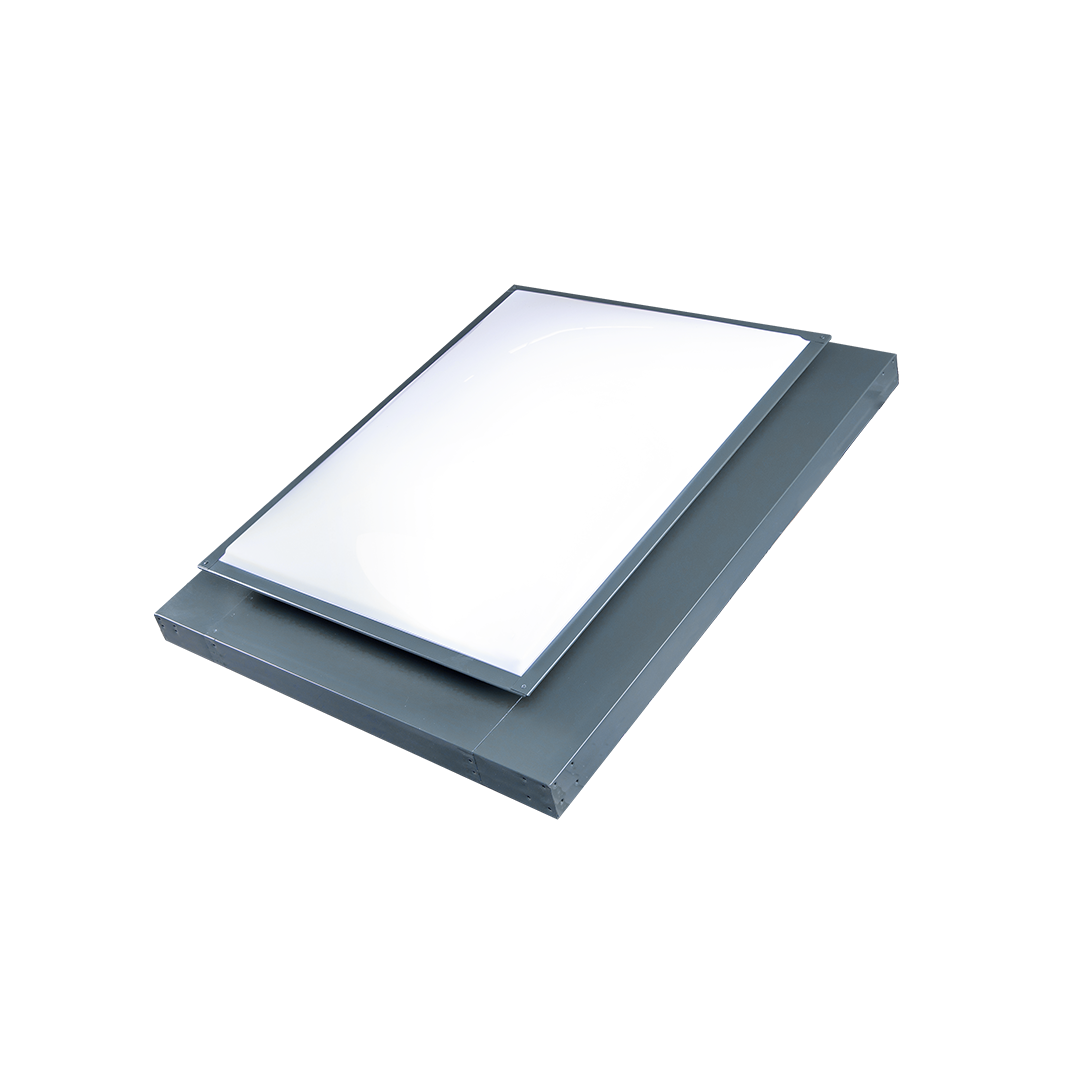
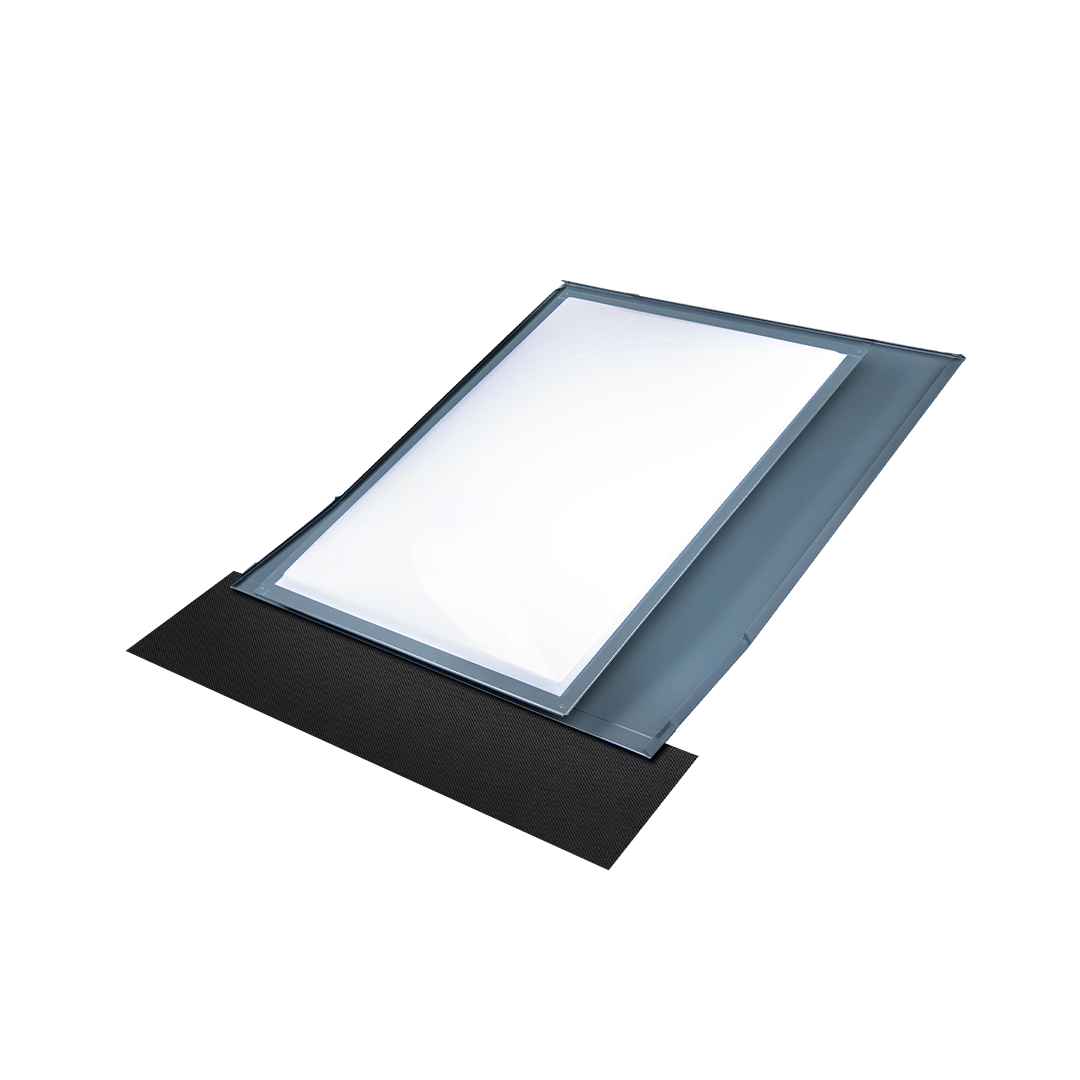
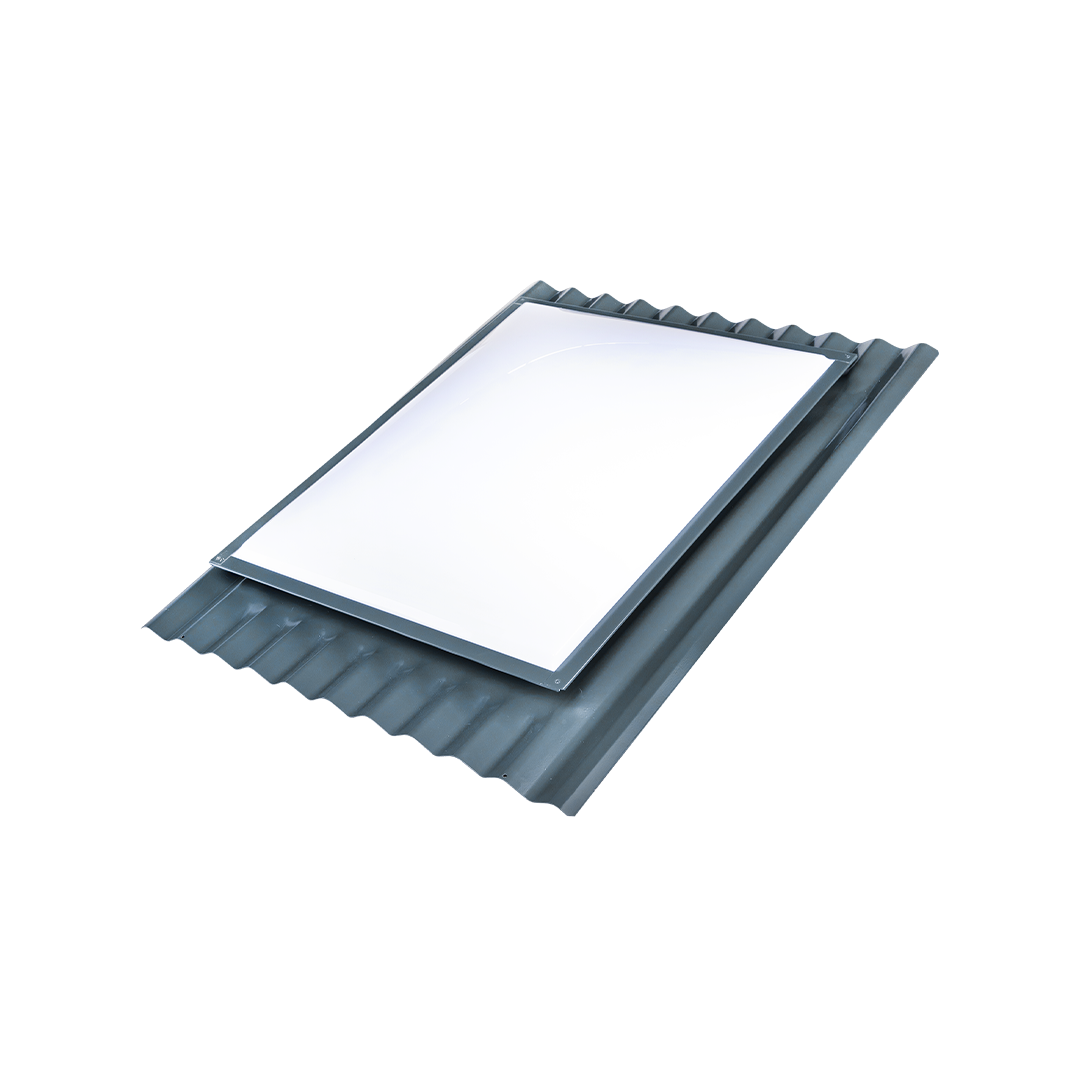
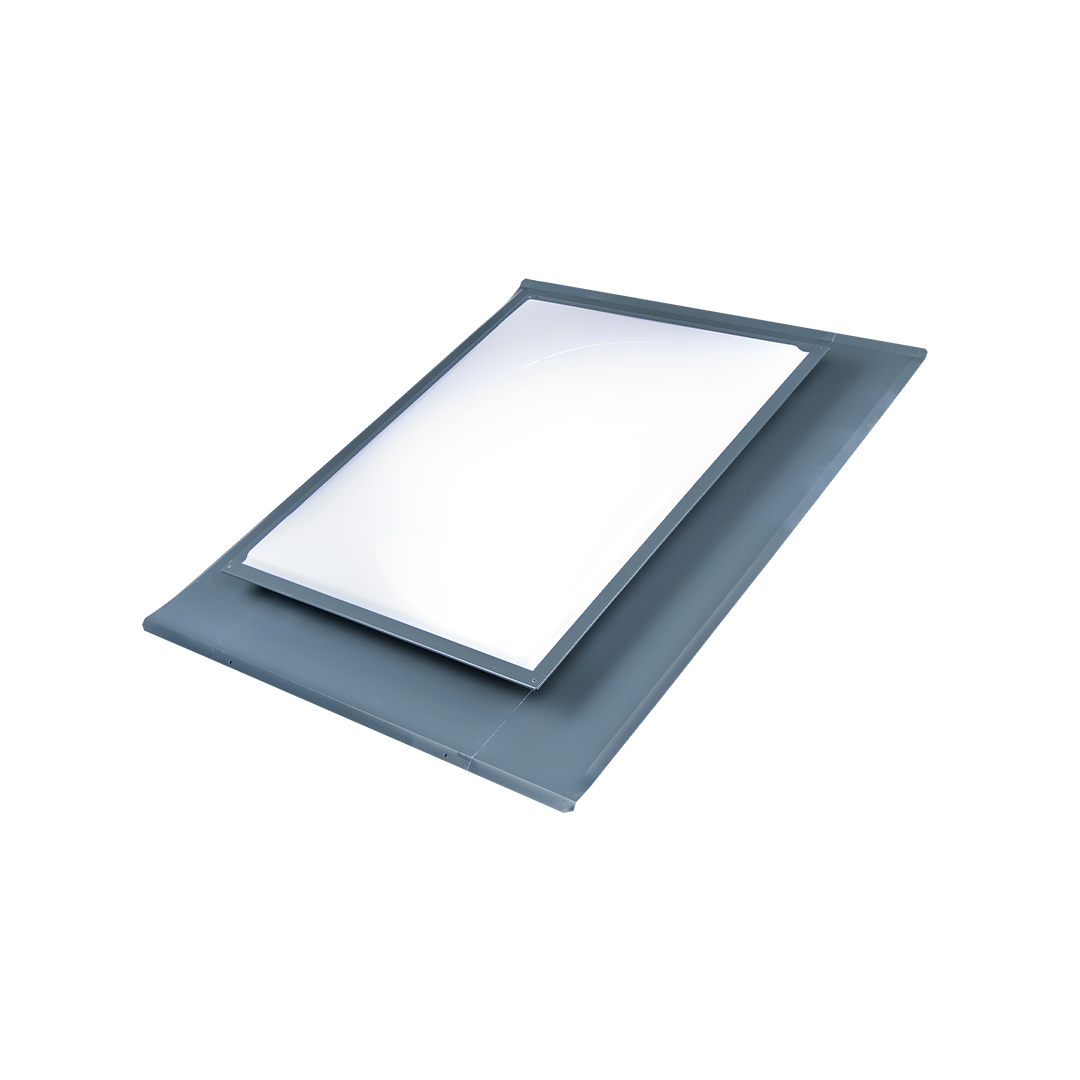
The Skyspan Traditional Skylight is a proven, durable solution for bringing natural light and ventilation into interior spaces. Its low-profile dome design suits all Australian roof types — corrugated, metal deck, tile, and concrete — providing bright, even daylight with minimal maintenance.
Manufactured from Zincalume® steel as standard, with options in stainless steel, aluminium, galvanised steel, copper, or Colorbond® finishes. The thermoformed acrylic dome (3 mm standard, 4.5 mm large) has no fixings through the glazing, allowing for natural thermal movement. Available in clear, tint, or opal finishes.
Complies with AS4285:2019 Rooflights and backed by a 7-year warranty.

| VLT (Visible Light Transmission) | 98% |
| SC (Shading Coefficient) | 0.098 |
| SHGC (Solar Heat Gain Coefficient) | 0.85 |
| U-Value | 5.5 |
Figures are for acrylic domes only.
| Dome Material | UV-stabilised acrylic dome |
| Frame & Flashing | Welded aluminium frame with Zincalume® flashing |
| Roof Pitch Suitability | Approx. 0° – 60° (refer to technical details for minimum fall) |
| BAL Rating | Low |
| Compliance | AS 4285 – Rooflights AS 3959 – Bushfire Construction (project specific) AS/NZS 1170 Series – Structural Design Actions |
| Warranty | 7 Years (manufacturing defects) |
| Made In | Australia |
If you have any questions, you are always welcome to contact us. We'll get back to you as soon as possible, within 24 hours on weekdays.
-
Shipping Information
Use this text to answer questions in as much detail as possible for your customers.
-
Customer Support
Use this text to answer questions in as much detail as possible for your customers.
-
FAQ’s
Use this text to answer questions in as much detail as possible for your customers.
-
Contact Us
Use this text to answer questions in as much detail as possible for your customers.


FAQs
Please read our FAQs page to find out more.